
What Are the Key Components That Impact Hinges Prices?
Hinges, as a crucial component in locks, play a significant role in determining the overall product quality and functionality. When considering the price of hinges in the manufacturing industry, multiple factors come into play. WellHW, a leading lock manufacturer, understands the importance of balancing quality and cost-effectiveness. Whether it’s for OEM/ODM services or direct factory production, various elements influence the pricing strategy for hinges.
One of the main factors affecting the price of hinges is the raw materials used. Stainless steel, brass, and other high-quality metals can drive up costs due to their durability and resistance to wear and tear. Additionally, the complexity of design also contributes to the overall cost. Hinges with intricate mechanisms or custom designs require more labor and time during the R&D phase, resulting in higher production expenses. In a competitive market, manufacturers like WellHW must continually adjust their designs and manufacturing processes to maintain an optimal cost performance.
How Does Manufacturing Efficiency Influence Pricing?
Efficiency in the manufacturing process plays a crucial role in determining the price of hinges. Companies like WellHW invest heavily in cutting-edge machinery and streamlined production techniques to reduce waste and improve the speed of production. This means that hinges can be produced in large quantities at a lower cost, benefiting wholesalers, distributors, and suppliers by providing them with high-quality products at competitive prices. Moreover, WellHW’s close relationship with raw material suppliers in China enables them to source materials at a lower price, which directly impacts the cost to consumers.
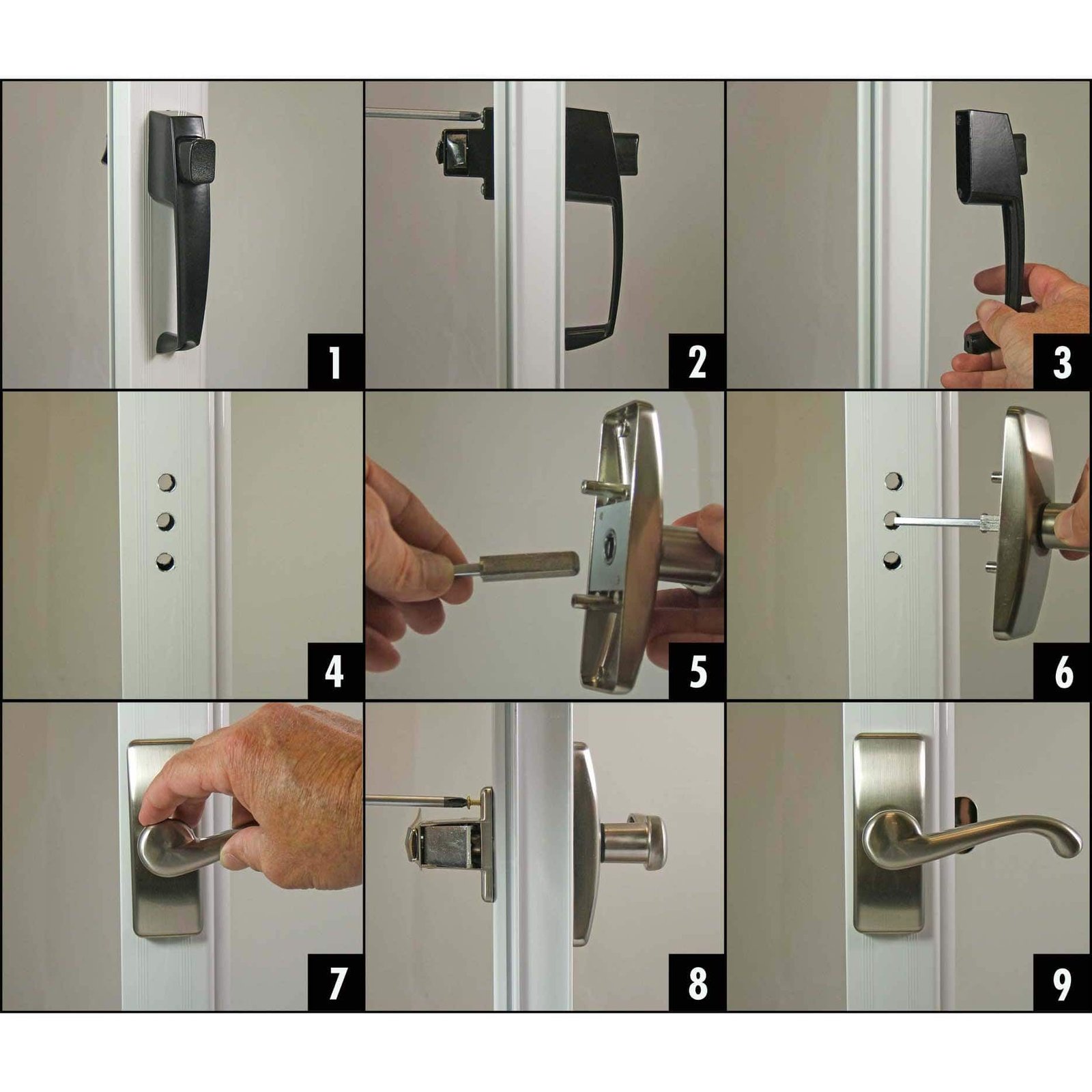
Another critical aspect is labor costs. WellHW’s factory optimizes workforce allocation to ensure that labor-intensive processes are minimized, especially for hinges that require precise adjustments. Automating some parts of production also helps maintain consistent quality while keeping prices in check. The advantage of producing in China allows WellHW to capitalize on lower labor costs without compromising on quality, a benefit that directly passes on to clients.
Additional Factors That Affect Hinge Prices
Beyond raw materials and labor, there are additional factors influencing hinge prices in the manufacturing process:
- R&D and Customization: Customized hinges tailored to specific customer needs often require more time in the design and testing phases. This impacts the price, particularly when OEM/ODM requests are involved.
- Supply Chain Stability: Supply chain disruptions can affect material availability, causing fluctuations in price. WellHW ensures stability by maintaining strong relationships with a network of suppliers and agents to minimize the risk of such disruptions.
- Market Demand: The higher the demand for a particular type of hinge, the more production resources are allocated, which can help lower the per-unit cost. On the other hand, niche or low-demand hinges may come at a higher price due to limited production runs.
- Bulk Orders: For wholesalers and distributors, ordering hinges in bulk can significantly lower the price per unit. WellHW offers competitive pricing structures for bulk orders, helping partners maintain a healthy margin.
How Can Companies Balance Quality and Cost?
For WellHW, maintaining the right balance between quality and cost is essential to their reputation as a trusted lock manufacturer. By focusing on cost performance and leveraging manufacturing efficiencies, they can provide high-quality hinges at competitive prices. Strategic decisions, such as investing in R&D to design more efficient products and adopting modern manufacturing techniques, ensure that their hinges meet global standards without inflating costs.
In summary, the price of hinges in manufacturing is influenced by various factors, from raw material costs to design complexity, labor efficiency, and market demand. WellHW takes all these factors into consideration to offer their clients the best possible value, whether through OEM/ODM services or direct factory supply. By understanding these variables, companies can make informed purchasing decisions and achieve the ideal balance between cost and quality.
